Dwelling in the Shelter of the Most High: What It Really Means
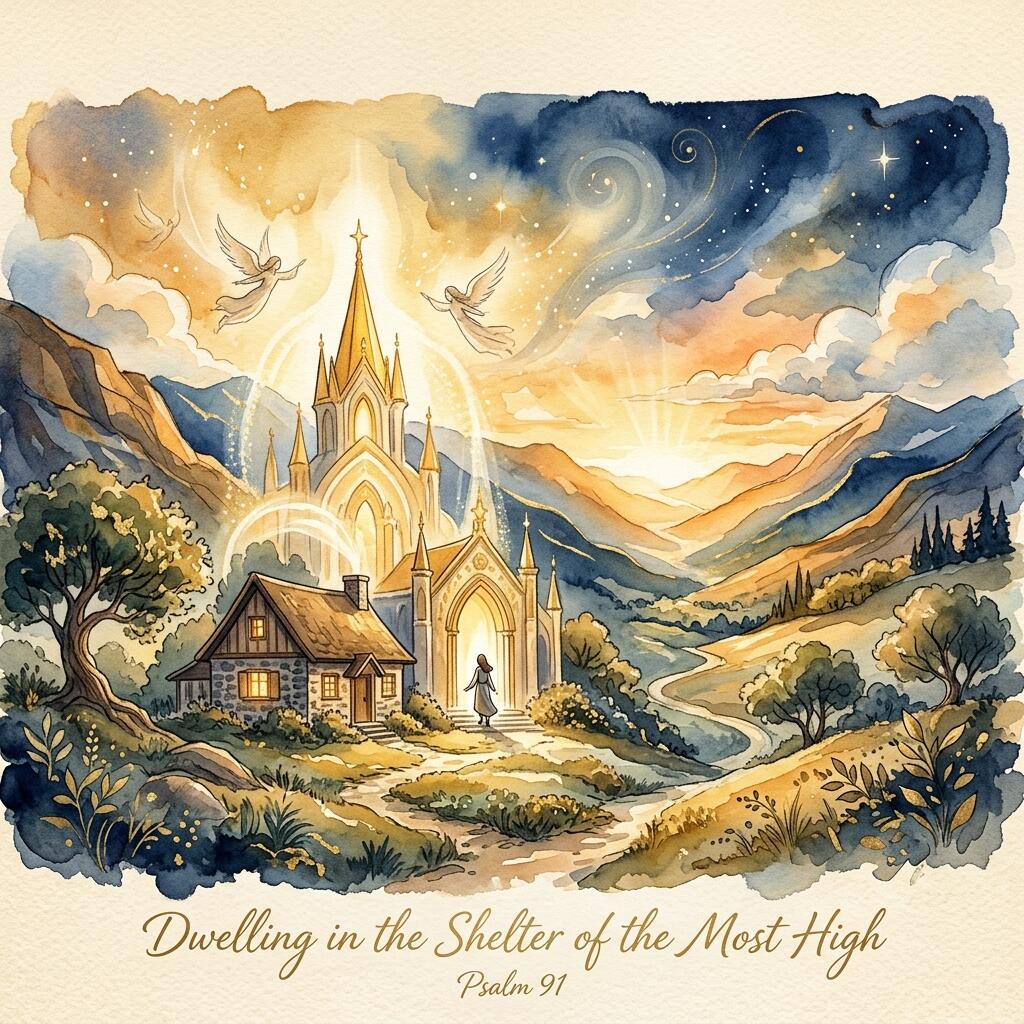
To dwell in the shelter of the Most High means to make God’s presence your permanent home—not a vacation destination visited in crisis, but your habitual residence where you find deep, unshakeable rest..” (Psalm 91:1, WEB). In a world saturated with noise, distraction, and constant anxiety, the idea of dwelling in a secret shelter with God sounds almost too good to be true. But this is not mystical fantasy — it is a covenant reality that God has offered to every believer. Understanding what it means to “dwell in the shelter of the Most High” may be the most transformative spiritual discovery you ever make.
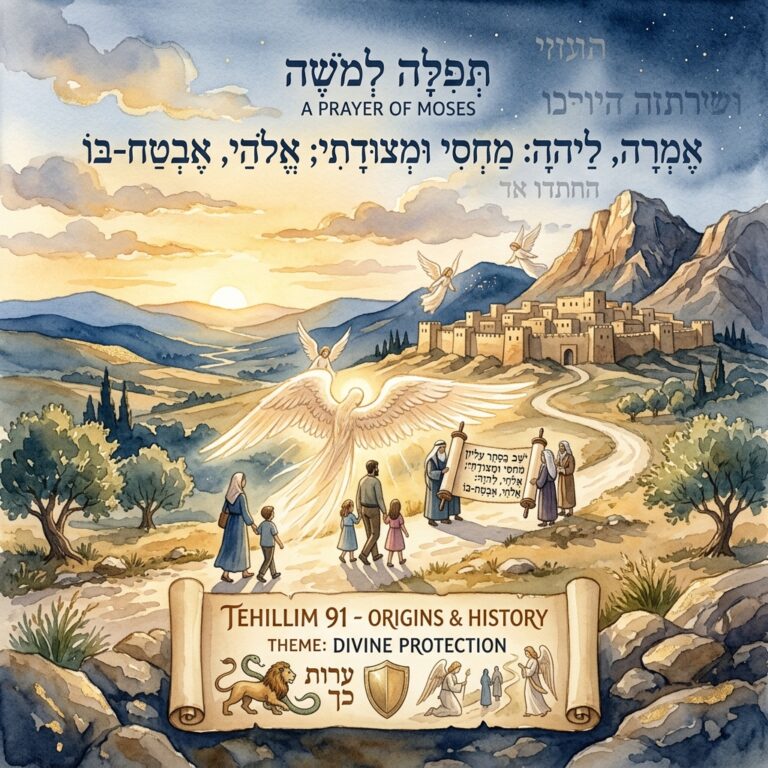
For a deeper dive into the full context, explore the complete interpretation of Psalm 91.. {‘rendered’: ‘5 Powerful Promises of Protection in Psalm 91’}. {‘rendered’: ‘Psalm 91 Origins and History in Hebrew. {‘rendered’: ‘Psalm 91 and Guardian Angels
The Hebrew Behind the Promise
The Hebrew text of verse 1 uses the word seter for “secret place” — a word meaning a hiding place, a covert, a place of concealment from enemies. This dwelling is illustrated through the shield and buckler imagery in verse 4. It is used elsewhere in Scripture for the hiding place of the fugitive (1 Samuel 19:2) and for the covert place where God himself is enthroned (Psalm 27:5). The “shelter” is not merely shelter from weather but shelter from all that would destroy you.
The name “Most High” is El Elyon in Hebrew, a title that emphasises God’s supreme position over every other power in the universe. When the psalm says you dwell in the secret place of the Most High, it is saying: the place you inhabit is hidden within the life and authority of the one being who is above all others. No enemy, no disease, no disaster can reach you without first passing through him.
And then there is “resting in the shadow of the Almighty.” The Hebrew Shaddai — translated as Almighty — carries the ancient sense of the all-sufficient one, the one who nurtures and sustains. To rest in his shadow is to be close enough to him that his very presence casts shade over you.
What Dwelling Looks Like in Practice
The word “dwells” in the World English Bible translates the Hebrew yashab, a verb that means to sit, to remain, to stay. This is not the word for a brief visit. To dwell in the secret place of the Most High means to set up residence there — to make the presence of God your permanent address rather than a vacation destination you visit when life gets hard.
This dwelling is cultivated through daily practices of prayer, Scripture meditation, worship, and stillness. It is not achieved through spiritual heroism but through consistent return. Each morning, you return. Each time anxiety rises, you return. Each evening, you settle back in. Over time, what begins as a discipline becomes a delight — and the “secret place” starts to feel less like a special destination and more like home.
Brother Lawrence, the seventeenth-century monk who wrote The Practice of the Presence of God, described this dwelling as a continuous awareness of God throughout even the most mundane activities. He found that this constant abiding produced a deep, unshakeable peace that external circumstances could not disturb. This is Psalm 91:1 lived out.
The Condition and the Promise
It is vital to notice that Psalm 91 contains a condition. The promises of verses 3–16 flow from the posture described in verse 1. Verses 9–10 make this explicit: “Because you have made Yahweh your refuge, and the Most High your dwelling place, no evil shall happen to you, neither shall any plague come near your dwelling.” (Psalm 91:9–10, WEB). The “because” matters. The refuge and dwelling place come first; the protection flows from them.
Jesus echoed this principle in John 15:4: “Remain in me, and I in you.” The same logic applies: abiding produces fruit; separation from the vine produces nothing. Psalm 91 is an Old Testament expression of the same abiding life that Jesus invites his followers into. Dwelling in the shelter of the Most High is, for the Christian, inseparable from abiding in Christ.
Practical Steps to Cultivate Dwelling
- Begin with a declaration. Start each day by saying verse 2 aloud: “I will say of Yahweh, ‘He is my refuge and my fortress; my God, in whom I trust.’” (Psalm 91:2, WEB).
- Return throughout the day. Set a reminder or use natural pause points to briefly return your awareness to God’s presence. Even thirty seconds of quiet acknowledgment is a form of dwelling.
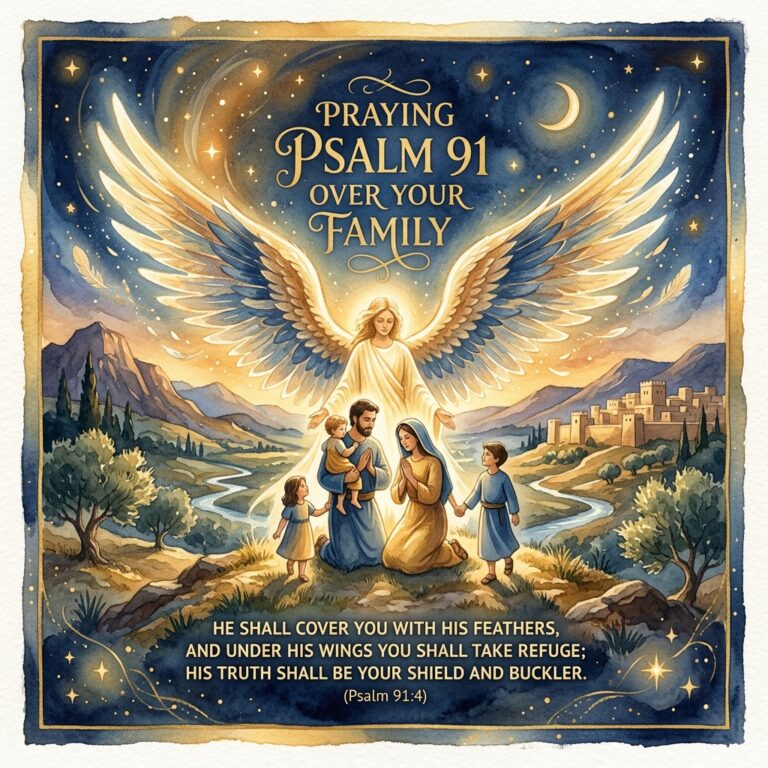
- Sit with the imagery. Let the images of Psalm 91 work in your imagination — the feathers, the shadow, the shield. These are invitations to a particular way of experiencing God’s protection.
- Pray the psalm back to God. Take each verse and turn it into a prayer. This personalises the psalm and deepens your sense of residence in its promises.
A Closing Prayer
Most High God, I want to dwell in your shelter — not just visit when things get difficult, but actually live there. Teach me what it means to make your presence my home. When I am distracted by worry or pulled away by the noise of life, draw me back. Let me know the rest that comes from abiding in your shadow. I declare today: you are my refuge, you are my fortress, and you are my God. I trust you with my life. Amen.